

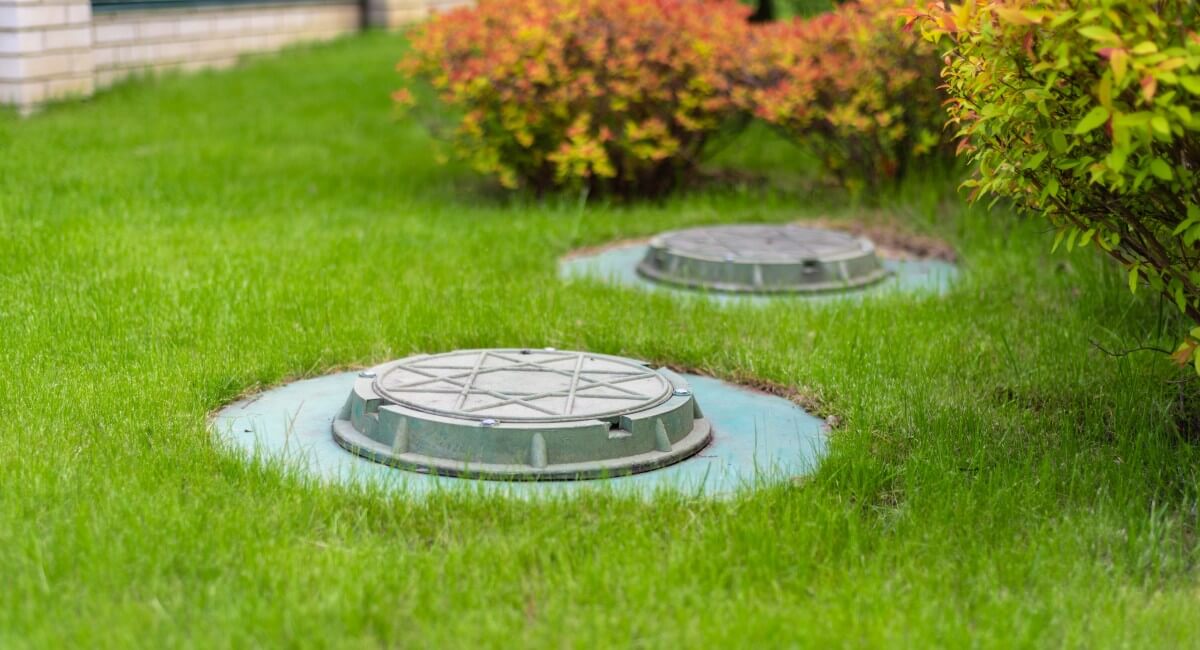
Around a quarter of homes in the United States use a septic system for sewage disposal. Septic is a private wastewater treatment system for homes that don’t connect to the public sewer system. This is especially common in rural areas, but suburban homes sometimes have septic tanks as well.
If you’re thinking about buying a house with a septic tank, you should understand how the system works, what you should ask before making an offer, and what you need to do to keep the system in good working condition.
How Septic Systems Work
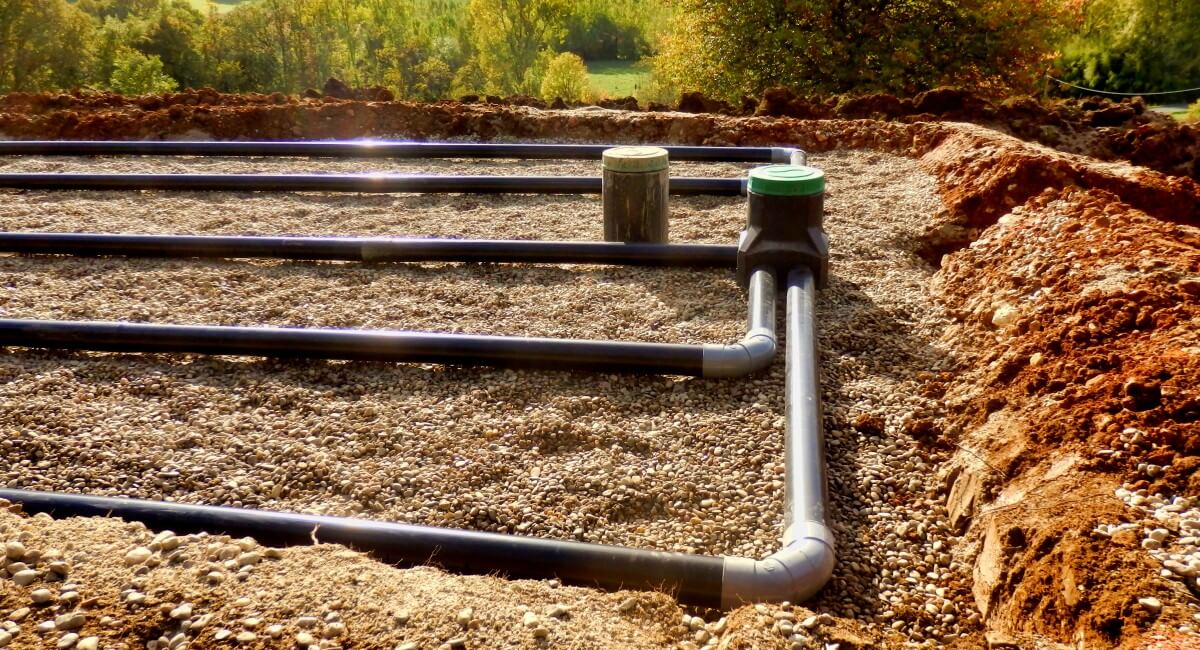
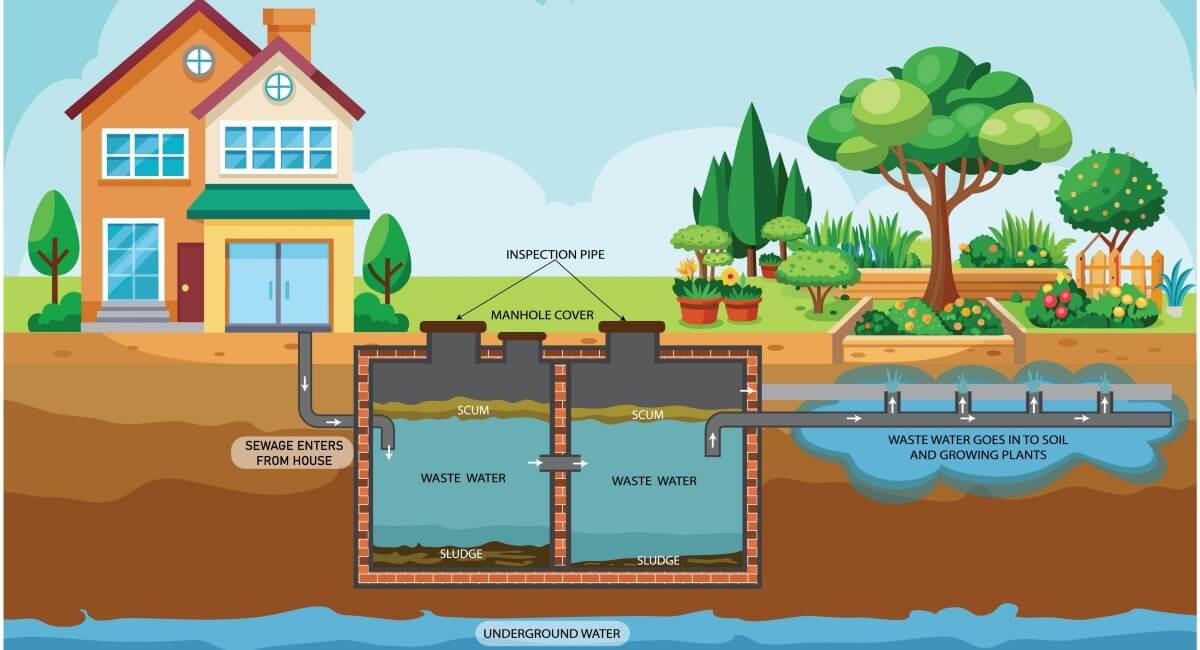
A septic system connects all the drains from your sinks, showers, toilets, and laundry to an underground septic tank on your property. In this tank, the waste settles into layers.
Solids sink to the bottom of the tank while scum floats to the top. Liquid wastewater stays in between the top and bottom layers. The wastewater then flows out into the leach field, also known as the drain field, through pipes that gradually release the liquid into the soil and gravel. Here, the contaminants are naturally filtered out through the soil, and the water returns to the groundwater table.
Pros of Septic Systems
Although some home buyers are nervous at the idea of owning a property with a septic tank, septic offers several advantages over the city sewer system. Here are a few benefits of septic systems:
Avoids Municipal Sewer Bills
If your house uses a septic system, it isn’t connected to the municipal sewer lines. Therefore, you won’t get a monthly or quarterly sewer bill from your city. Avoiding this bill could save you hundreds or thousands of dollars over the years.

Environmentally Friendly
Septic systems use a natural filtration process to safely return wastewater to the groundwater system. This process requires far less energy than pumping waste through municipal pipes to your city’s central water treatment plant.
Independence From City Systems
For people who like living “off-grid,” septic systems are very desirable. Your home’s wastewater system will be unaffected by city sewer or water issues. If the municipal system floods, your house won’t have any issues. You also won’t experience any interruptions from pipe repairs or other maintenance work.
Cons of Septic Systems
Unfortunately, septic systems have their downsides as well. Here are some disadvantages to keep in mind if you’re considering purchasing a home with a septic tank:
Requires Regular Maintenance
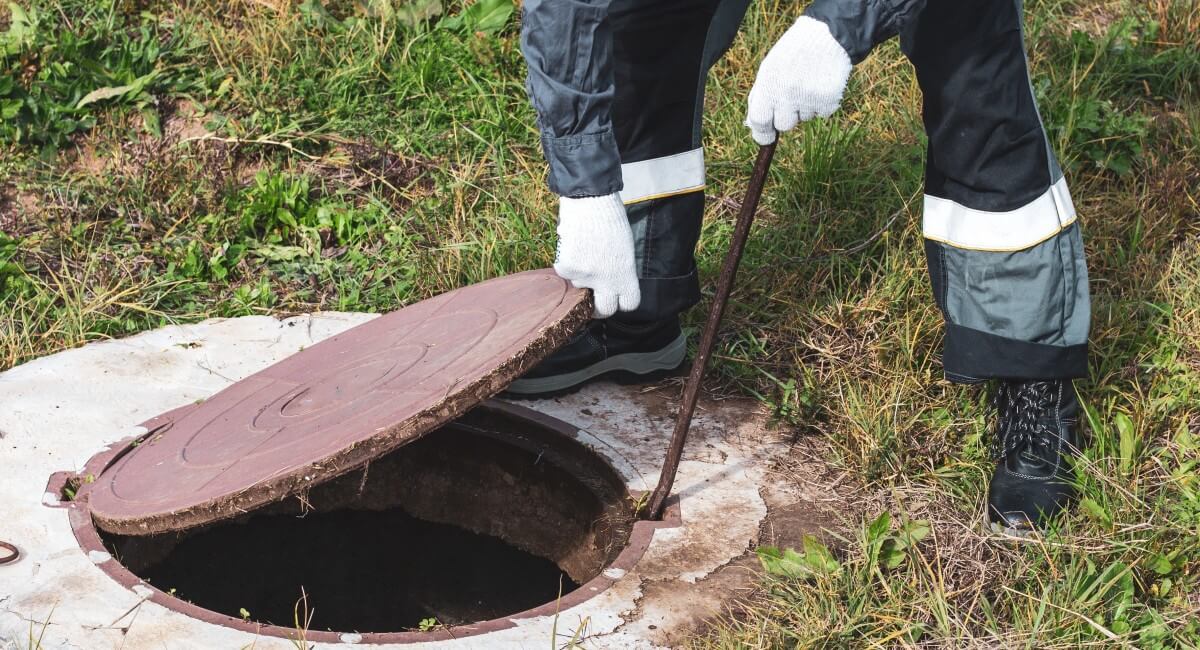
When you own a house with a septic tank, you are solely responsible for its maintenance and upkeep. It costs around $400 for the tank to be pumped, which should be done every three to five years. A new tank can cost around $8,000, and a drain field can cost around $7,000.
Risk of System Failure
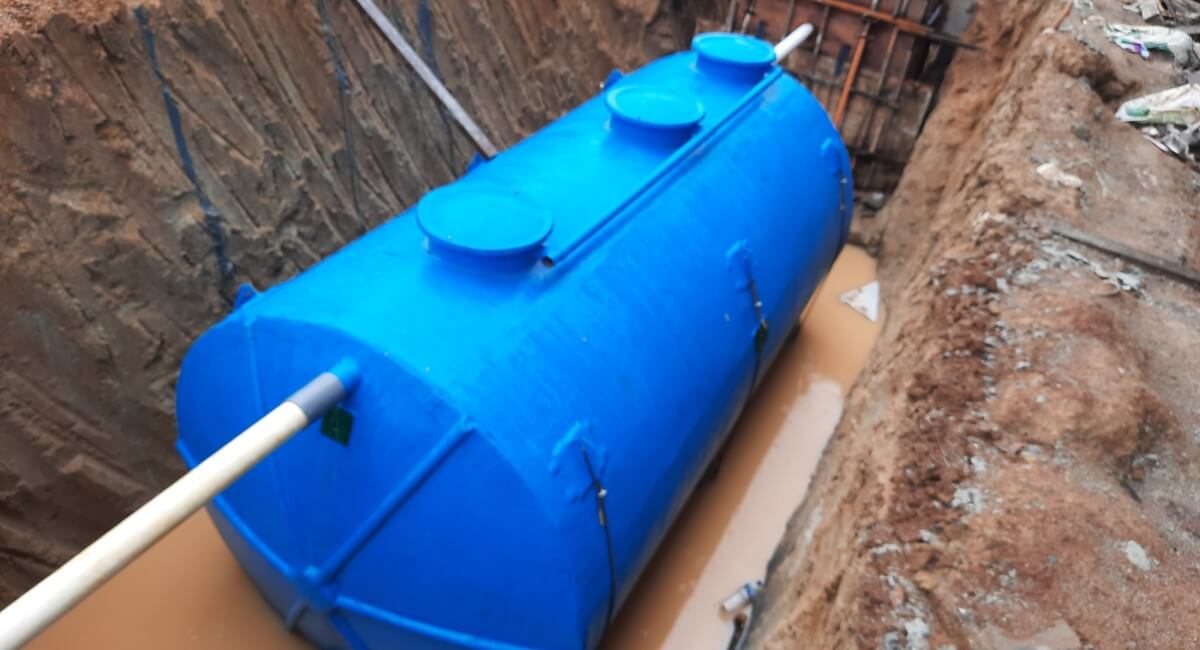
A septic tank failure can be catastrophic. A system backup can result in sewage coming up through your drains or entering your yard. These issues are extremely unpleasant to deal with and can pose a risk to your health. While routine maintenance greatly reduces the risk of a system failure, there’s always a chance of a leak or a backup.
Property Restrictions
Your septic system can limit your ability to build on your property. You can’t place permanent structures like sheds, garages, or pools above the septic system. You also can’t drive or park a vehicle over the system as this could cause it to sustain damage or fail completely.
What You Should Check First
If you’re thinking about making an offer on a home with a septic system, learning about the system is part of doing your due diligence. Here are a few points to look into before you close on the property:
Visual Signs of a Leak
During the showing, look for visual signs of a leak or system failure. Bright green grass around the bank, especially if the surrounding area is dry and yellow, is a big red flag. Standing water in the yard can be a sign of a failing leach field, too.
Age of the System
Ask the seller how old the system is to get an idea of its condition and when it will need to be replaced. The average lifespan for a septic tank is around 20 years, but systems sometimes last longer with proper maintenance.
Maintenance History
Ideally, the seller should provide information about the septic system’s maintenance history, including the last time the tank was pumped. Past inspection reports or maintenance invoices can help you assess the condition of the system as well as its size and other important specs.
Reserve Field Location
You should also know if the system has a reserve field, which is a designated area of the land that can serve as the leach field if the current leach field fails. Some states and cities require homes with septic systems to have reserve fields.
Professional Inspection
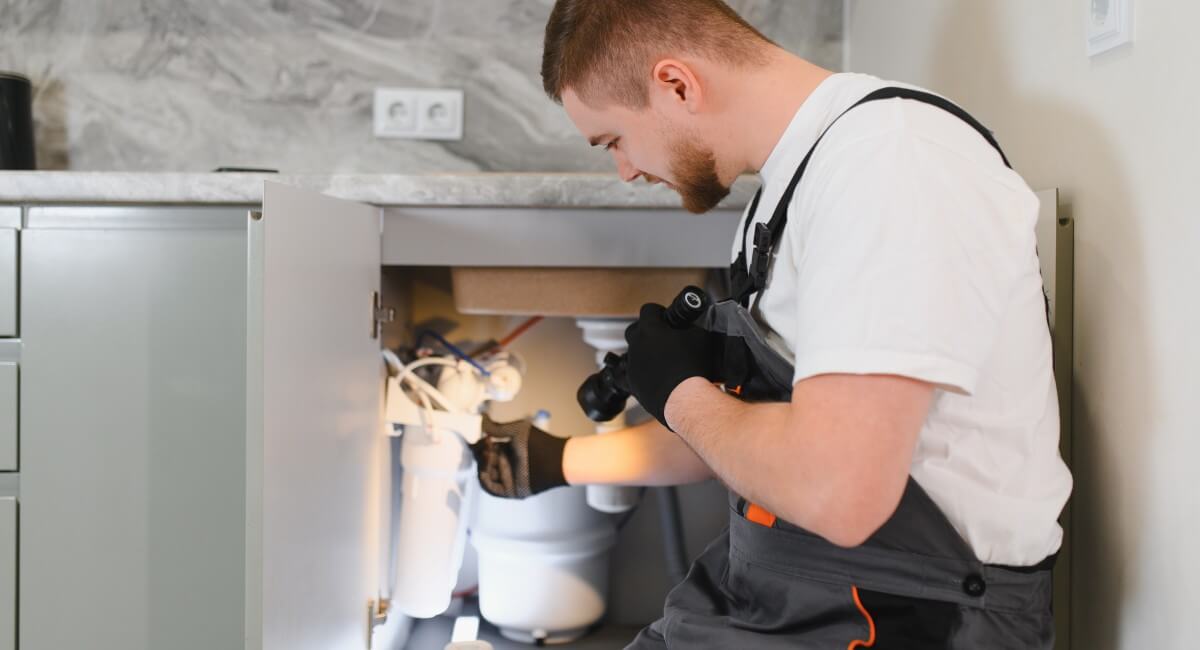
A septic system inspection can provide you with a lot of valuable information and give you peace of mind before closing on the home. Just like you can include a home inspection contingency in your offer, you can include a septic inspection contingency.
This is a specialized type of inspection that’s performed by a professional and typically costs between $500 and $1,000. If the inspection reveals problems with the system, you can renegotiate the sale or request that the seller make repairs before closing.
Once you’ve purchased a house with a septic tank, you’re responsible for keeping the system in good working condition. Here are four considerations to keep in mind:
Local and State Regulations
Some cities, counties, and states have regulations around septic system maintenance. Local laws might require you to pump the tank at a specific frequency or keep a certain amount of clearance between the system and permanent structures on your property. Make sure you’re abiding by these laws to avoid fines or legal action.
Tank Pumping
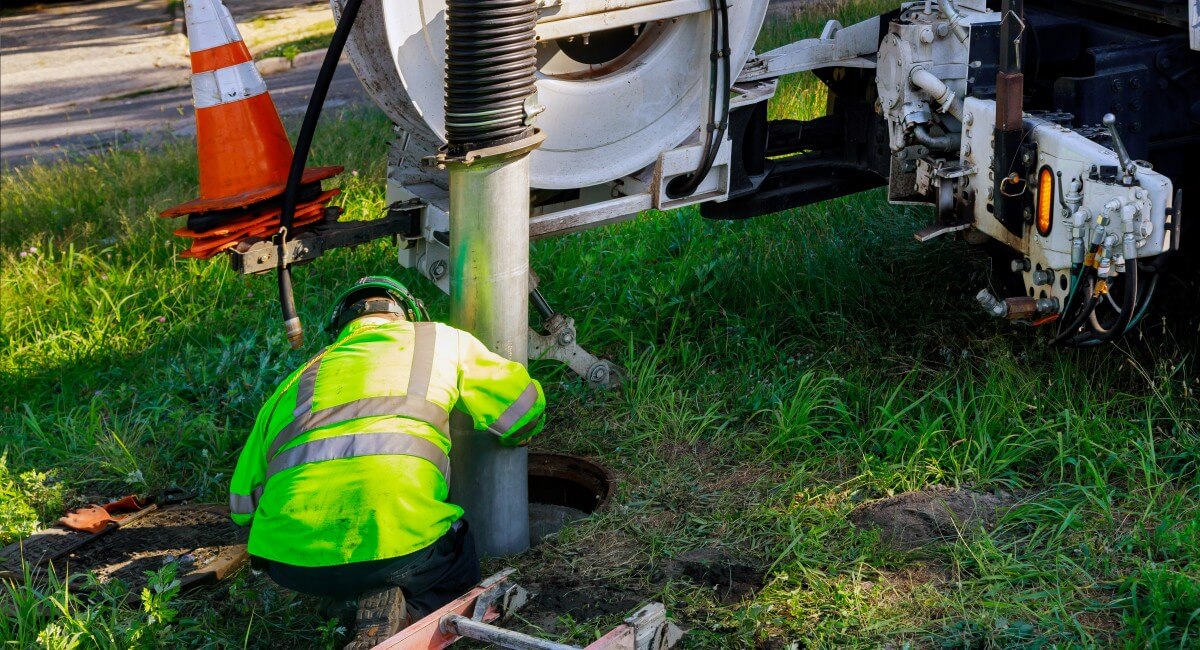
In general, septic tanks should be pumped every three to five years. The specific frequency for your system will depend on the size of the tank, the size of your household, and local or state laws.
Lifestyle Considerations
Your daily habits can make a big difference in the health of your septic system. Only flush human waste and toilet paper. Never flush wipes, tissues, or feminine hygiene products, and avoid pouring grease or oil down the drain. Avoid or limit your use of the garbage disposal to prevent a build-up of solids in the tank.
The Bottom Line: Homeownership With a Septic Tank
Owning a house with a septic tank doesn’t need to be overwhelming. Septic systems offer some great benefits, including lower utility costs and more independence from the city grid. As long as you stay on top of the routine maintenance and inspections, you should have no problems with the septic system.